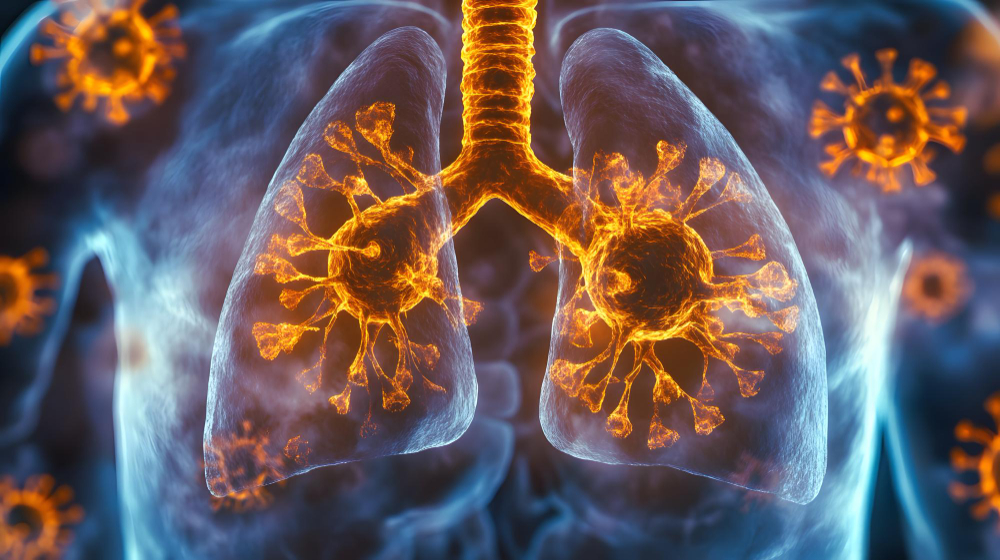
Respiratory Syncytial Virus, often called RSV, is a common virus that affects the lungs and breathing passages. Many people, especially young children and older adults, can get sick from RSV. In fact, this virus spreads easily in places like schools, daycare centers, and crowded cities. Because RSV can cause mild to severe illness, it is important to know its symptoms, causes, diagnosis, and prevention tips. Understanding these facts can help you protect yourself and your loved ones.
What is Respiratory Syncytial Virus?
RSV is a virus that infects the respiratory tract, which includes the nose, throat, and lungs. While most people recover in a week or two, RSV can sometimes lead to serious problems. For example, babies under six months and older adults are more likely to have severe symptoms. According to the CDC, RSV is one of the leading causes of lung infections in children worldwide. In many cities, RSV season usually starts in the fall and lasts through spring.
Common Symptoms of Respiratory Syncytial Virus
Although RSV symptoms can look like a common cold, they can become more serious. Early signs often appear four to six days after exposure. For most people, symptoms are mild. However, some may develop more severe problems.
Sometimes, RSV can cause bronchiolitis, which is swelling in the small airways of the lungs. In rare cases, it can also lead to pneumonia, a lung infection.
Causes and How It Spreads
RSV spreads easily from person to person. For instance, you can catch it by touching surfaces with the virus and then touching your face. It also spreads through droplets when someone coughs or sneezes. Because RSV can live on surfaces for hours, it is easy to pick up in public places.
Even though RSV is common worldwide, outbreaks often happen in crowded areas or during certain seasons. In many regions, RSV peaks in the winter months.
Diagnosis of Respiratory Syncytial Virus
Doctors can diagnose RSV by asking about symptoms and doing a physical exam. Sometimes, they use a swab from the nose or throat to test for the virus. Because RSV symptoms look like other illnesses, testing helps find the right cause. In hospitals, doctors may use chest X-rays or blood tests if a person has severe symptoms. However, most cases do not need special tests.
Treatment Options
Most people with RSV get better at home with simple care. For example, rest and fluids can help the body fight the virus. Over-the-counter medicine may ease fever or pain. However, antibiotics do not work against viruses like RSV. In some cases, especially for babies or older adults, hospital care may be needed. Doctors may give oxygen or fluids through an IV if breathing is hard. According to the WHO, most people recover without problems.
Prevention Tips and Lifestyle Guidance
There are steps you can take to lower the risk of RSV. Although there is no vaccine for RSV for most people, good habits can help prevent its spread. In many cities, health officials recommend these tips during RSV season.
For babies at high risk, doctors may suggest special medicine to help prevent severe RSV. While RSV is common, these steps can help keep your family safe and healthy.
Conclusion
For peace of mind during RSV season, book a health check-up with Dr. Ramees Najeeb. Early care can help protect you and your loved ones.