What Is a Pneumonectomy?
Pneumonectomy is a type of surgery where doctors remove one entire lung. This lung removal procedure is usually done to treat serious lung diseases. For many, pneumonectomy surgery can save lives when other treatments do not work. Although it sounds scary, doctors use this option only when it is truly needed. The goal is to help people breathe better and stop disease from spreading.
When Is Pneumonectomy Needed?
Doctors may recommend pneumonectomy when less invasive treatments are not enough. For example, if a tumor blocks the airway or if infection destroys most of a lung, surgery may be the best choice. Sometimes, removing a lung is the only way to stop a life-threatening illness. In these cases, doctors carefully weigh the risks and benefits before moving forward. Not everyone with lung problems will need this surgery.
Common Symptoms Leading to Pneumonectomy
Many people experience symptoms before doctors consider lung removal. Often, these signs are linked to serious lung conditions. For instance, you may notice:
Because these symptoms can also point to other problems, it is important to see a doctor for testing. Early diagnosis can improve treatment options.
Causes and Conditions Requiring Lung Removal
Several health problems may lead to the need for a pneumonectomy. Most often, doctors perform this surgery for:
In addition, some people may need lung removal if a tumor blocks the main airway. According to the World Health Organization, lung cancer is a leading cause of cancer death worldwide. For some, surgery is the only way to remove all the cancer.
How Pneumonectomy Is Diagnosed and Planned
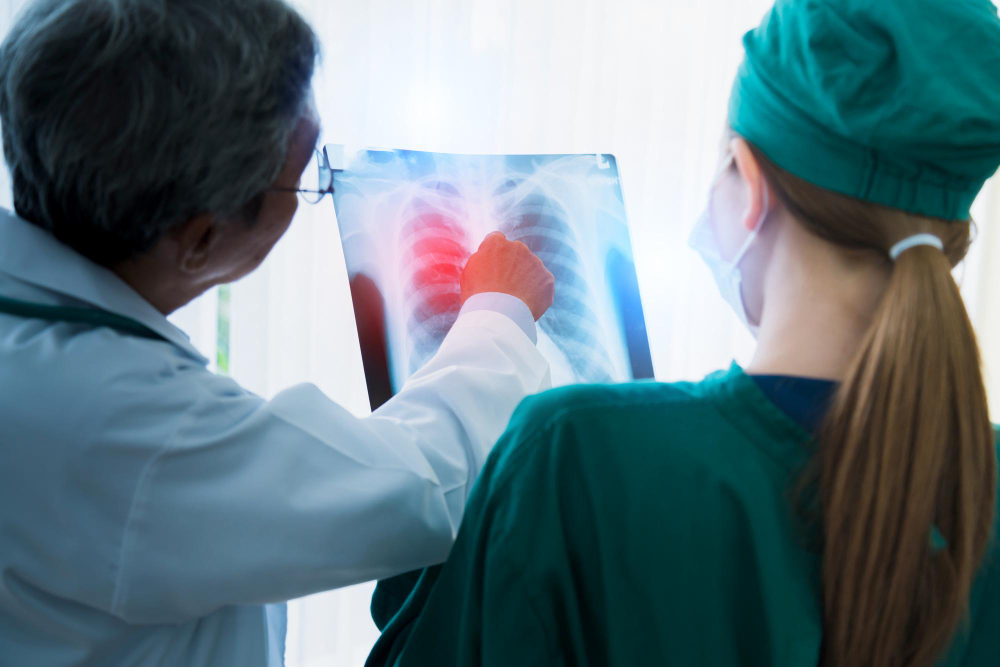
Before recommending pneumonectomy, doctors run several tests. First, they check lung function to see if the other lung can handle breathing alone. Next, they use imaging scans, like CT or MRI, to look at the lungs. Blood tests and heart checks are also common. Because planning is so important, a team of specialists often reviews each case. This careful process helps lower risks and improve recovery after pneumonectomy.
The Pneumonectomy Procedure: What to Expect
During pneumonectomy surgery, doctors remove one lung through a cut on the side of the chest. You will be asleep under general anesthesia, so you will not feel pain. The surgery usually takes a few hours. Afterward, you may spend a few days in the hospital for close monitoring. Nurses and doctors watch your breathing, pain, and wound healing. Although some people need extra oxygen at first, most adjust well with time.
Recovery and Life After Lung Removal
Recovery after pneumonectomy takes time and patience. At first, you may feel tired and short of breath. However, many people return to daily activities within weeks or months. Doctors often recommend breathing exercises and physical therapy. These steps help your remaining lung work better. With support, most people can live active lives after lung removal. Still, you may need to avoid heavy lifting or extreme exercise. Regular checkups are important to watch for any problems.
Risks and Possible Complications
Like all major surgeries, pneumonectomy has risks. Some possible complications include:
Because these risks can be serious, doctors take many steps to prevent them. Early treatment of any problem can improve your outcome. According to the CDC, following care instructions lowers the chance of infection and other issues.
Lifestyle Tips and Prevention After Pneumonectomy
After a lung removal procedure, healthy habits are key. For example, you should:
Because your body now relies on one lung, protecting your health is more important than ever. With good care, many people enjoy a full and active life after pneumonectomy.