
What Is Obstructive Sleep Apnea?
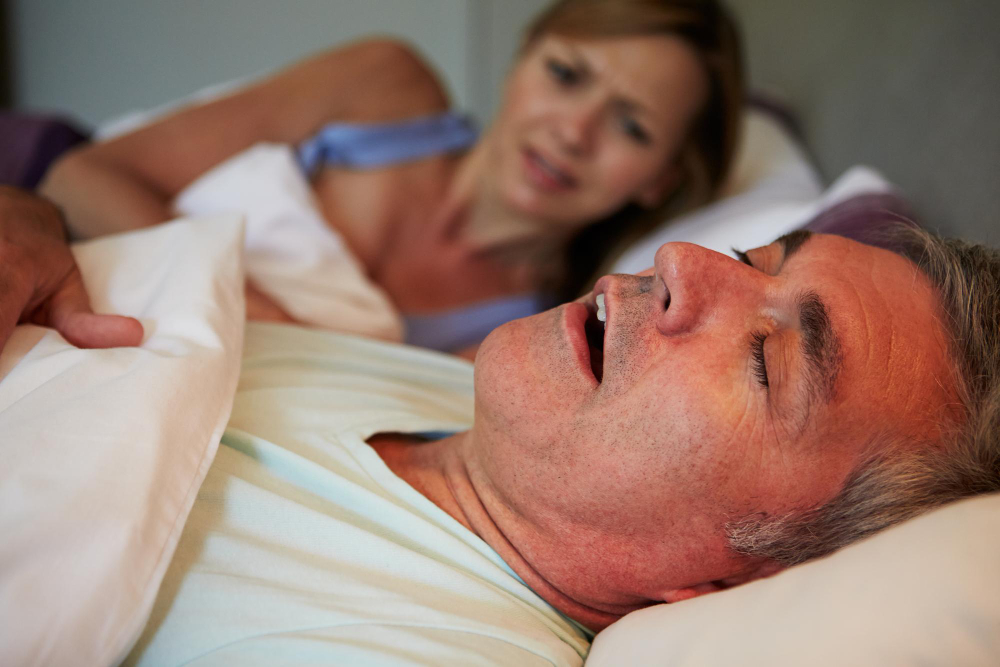
Obstructive sleep apnea is a common sleep disorder. It happens when your airway gets blocked during sleep. As a result, you may stop breathing for short times. Often, people do not know they have it. However, loud snoring and daytime tiredness can be signs. In many cities, doctors see more cases each year. The World Health Organization notes that sleep apnea affects millions worldwide. Because it can harm your health, early evaluation is important.
Common Symptoms of Obstructive Sleep Apnea
Many people with sleep apnea do not notice their own symptoms. Yet, family members may spot warning signs. For example, you may:
Because these symptoms can affect daily life, it is wise to seek help if you notice them. In addition, sleep apnea symptoms can lead to other health problems over time.
Causes and Risk Factors
Obstructive sleep apnea has several causes. Most often, the muscles in your throat relax too much during sleep. As a result, your airway narrows or closes. But what raises your risk?
Because these risk factors can add up, it is important to talk with your doctor if you have any. In many cases, simple changes can help lower your risk.
How Obstructive Sleep Apnea Is Diagnosed
If you have loud snoring or daytime tiredness, your doctor may suggest a sleep study. This test checks your breathing, heart rate, and oxygen levels while you sleep. Sometimes, you can do a sleep study at home. Other times, you may visit a sleep center in your area. During the test, sensors track your sleep patterns. Afterward, your doctor reviews the results. Because a sleep study gives clear answers, it helps guide the right treatment for obstructive sleep apnea.
Treatment Options for Obstructive Sleep Apnea
Treatment for obstructive sleep apnea depends on how severe it is. Your doctor will suggest the best plan for you. Common treatments include:
Because each person is different, your doctor will explain which treatment fits your needs. In many cities, sleep clinics offer these options to help you sleep better.
Lifestyle Tips for Managing Obstructive Sleep Apnea
Along with medical treatment, healthy habits can make a big difference. For example, you can:
Because these steps can lower your risk, they are worth trying. Even small changes can improve sleep apnea symptoms and boost your energy during the day.
Preventing Obstructive Sleep Apnea
While not all cases can be prevented, you can lower your chances. For instance, you can:
Because early action helps, talk to your healthcare provider if you notice loud snoring or daytime tiredness. Many people in your community have found relief with the right care.
Conclusion
If you notice loud snoring or feel tired during the day, do not wait. Schedule a consultation with Dr. Ramees Najeeb to discuss your sleep concerns and get the right support.