Pulmonary embolism is a serious health problem that happens when a blood clot blocks a blood vessel in the lungs. This condition, often called a “blood clot in lungs,” can be life-threatening if not treated quickly. Because symptoms can appear suddenly, knowing what to look for is important. In many cities, hospitals see cases of pulmonary embolism every day. Early diagnosis and treatment can save lives. According to the Centers for Disease Control and Prevention (CDC), thousands of people in the United States are affected each year. Understanding pulmonary embolism helps you recognize symptoms and seek help right away.
What Is Pulmonary Embolism?
Simply put, a pulmonary embolism (PE) is a blockage in one of the blood vessels in your lungs. Most often, this blockage is caused by a blood clot. Usually, these clots start in the deep veins of the legs, a condition called deep vein thrombosis (DVT). After forming, the clot can travel through the bloodstream and lodge in the lungs. As a result, blood flow to part of the lung is blocked. This can lower oxygen levels in your body and strain your heart. In severe cases, a large clot can cause sudden death. However, with fast treatment, most people recover well.
Common Symptoms of Pulmonary Embolism
Symptoms of pulmonary embolism can vary. Some people have mild signs, while others feel very sick. Because symptoms often come on quickly, it is important to know what to watch for. Here are the most common PE symptoms:
Sometimes, symptoms can be mild or mistaken for other problems, such as a heart attack or anxiety. For this reason, if you notice these signs, seek medical help right away.
Causes and Risk Factors
Blood clots are the main cause of pulmonary embolism. However, certain factors can raise your risk. For example, sitting for long periods, like during long flights or car rides, can slow blood flow in your legs. This makes clots more likely to form. Other common risk factors include:
Because these risk factors are common, it is important to know your own risks. If you have several of these, talk to your doctor about ways to lower your chances of a blood clot in the lungs.
How Pulmonary Embolism Is Diagnosed
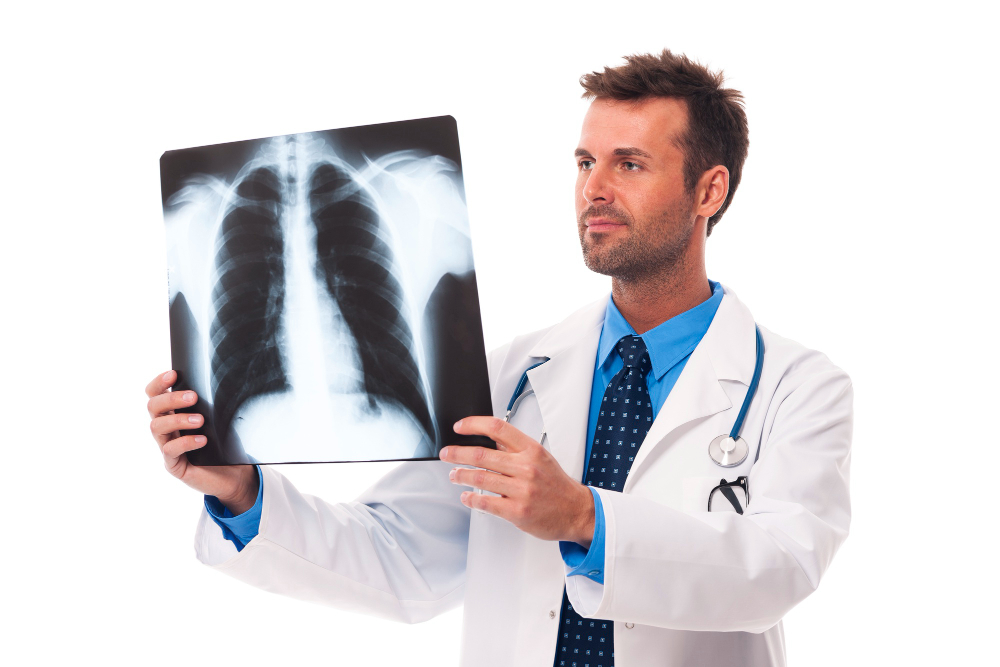
Doctors use several tests to diagnose pulmonary embolism. First, they ask about your symptoms and medical history. Next, they may do a physical exam. Because PE symptoms can look like other problems, tests help confirm the diagnosis. Common tests include:
Because early diagnosis is key, doctors often act quickly if they suspect a pulmonary embolism. In many hospitals, these tests are done within hours of arrival.
Treatment Options for Pulmonary Embolism
Treating pulmonary embolism aims to stop the clot from getting bigger and prevent new clots. Most people start with blood thinners, also called anticoagulants. These medicines help your body break down clots and lower the risk of more clots forming. In some cases, doctors may use stronger medicines called thrombolytics to dissolve large clots quickly. However, these are used only in severe cases due to possible side effects. Sometimes, a filter is placed in a large vein (the vena cava) to catch clots before they reach the lungs. Surgery is rare but may be needed for very large clots. After treatment, many people take blood thinners for several months or longer to prevent another pulmonary embolism.
Prevention and Lifestyle Tips
Preventing pulmonary embolism is possible, especially if you know your risk factors. Here are some tips to help lower your risk:
Because some people have a higher risk, your doctor may suggest blood thinners or special stockings during hospital stays. In many cities, hospitals offer programs to help people lower their risk of blood clots. Always follow your healthcare provider’s instructions to stay safe and healthy. Take the next step towards better health. Book a consultation today with Dr. Ramees Najeeb .